

Chlamydia: Symptoms, Treatment, Testing & C. trachomatis
Chlamydia : Symptoms, Transmission, Diagnosis, Treatment and Chlamydia trachomatis PCR Testing
Chlamydia is a common sexually transmitted infection caused by Chlamydia trachomatis. Because many infections produce no noticeable symptoms, laboratory testing plays an important role in identifying infection. This scientific guide covers chlamydia symptoms, transmission, complications, treatment, C. trachomatis biology, NAAT/PCR testing and molecular quality-control approaches.
What Is Chlamydia?
Chlamydia trachomatis is an obligate intracellular bacterium, meaning that it depends on living host cells for replication. Its biology differs from that of many free-living bacteria because it follows a specialized developmental cycle inside infected cells.
Chlamydia trachomatis - Wikipedia
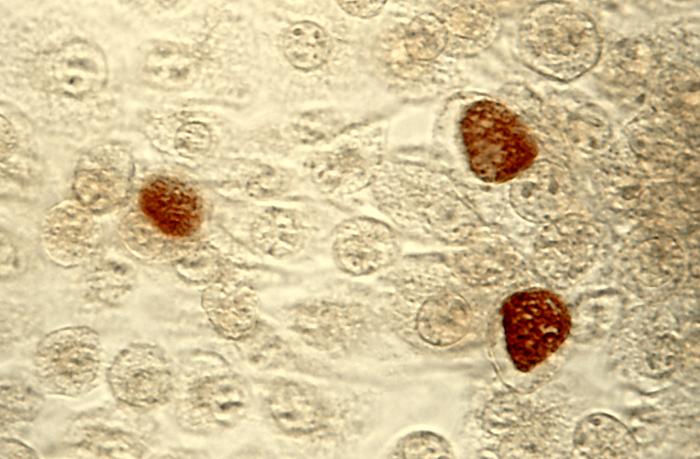
The bacterium alternates between two major forms:
Elementary Body
The elementary body (EB) is the infectious form. It is specialized for extracellular survival and entry into susceptible host cells.
Reticulate Body
The reticulate body (RB) is the metabolically active intracellular form responsible for bacterial replication within the chlamydial inclusion.
After cellular entry, the elementary body differentiates into a reticulate body inside a membrane-bound compartment called the chlamydial inclusion. Following replication, reticulate bodies differentiate back into infectious elementary bodies that can spread to additional cells.
What Causes Chlamydia?
Human genital chlamydia is caused by Chlamydia trachomatis. Different serovars are associated with different anatomical sites and disease manifestations.
| C. trachomatis serovars | Main association | Scientific relevance |
|---|---|---|
| A-C | Trachoma | Primarily associated with ocular infection. |
| D-K | Urogenital and neonatal infections | Commonly associated with sexually transmitted genital infection. |
| L1-L3 | Lymphogranuloma venereum (LGV) | Associated with more invasive infection and lymphatic involvement. |
Serological and clinical characteristics of Chlamydia trachomatis. I ResearchGate
How Is Chlamydia Transmitted?
C. trachomatis is primarily transmitted through sexual contact with an infected person. Transmission can occur even when the infected individual has no obvious symptoms.
Genital Exposure
Chlamydia trachomatis can be transmitted through contact with infected genital secretions and may infect the cervix or urethra. Because infection is frequently asymptomatic, transmission may occur without either partner being aware of the infection.
Rectal Exposure
Rectal C. trachomatis infection can occur following exposure of the rectal mucosa. Many cases are asymptomatic, while symptomatic infection may cause rectal discomfort, discharge, bleeding or proctitis.
Oropharyngeal Exposure
C. trachomatis can also infect the throat following oral sexual exposure. Oropharyngeal infection is usually asymptomatic and may therefore remain undetected without appropriate testing.
Yes. C. trachomatis can infect the oropharynx following oral exposure. Oropharyngeal infection is frequently asymptomatic, which means it may remain undetected without appropriate laboratory testing.
Chlamydia can also be transmitted from a pregnant person to a newborn during childbirth, potentially resulting in neonatal conjunctivitis or pneumonia.
Chlamydia Symptoms
Chlamydia Symptoms in Women
- Abnormal vaginal discharge
- Burning or discomfort during urination
- Bleeding between menstrual periods
- Bleeding after sexual intercourse
- Lower abdominal discomfort
- Pelvic pain
Chlamydia Symptoms in Men
- Penile or urethral discharge
- Burning during urination
- Testicular discomfort
- Pain or swelling of one or both testicles
Rectal Chlamydia Symptoms
Rectal infection may produce no symptoms. When present, symptoms can include:
- Rectal pain
- Discharge
- Bleeding
- Inflammatory proctitis
Oral Chlamydia Symptoms
Oropharyngeal chlamydia is frequently asymptomatic. The absence of a sore throat or other visible changes therefore does not exclude infection.
What Does Chlamydia Look Like?
Some people may notice genital discharge, irritation or inflammation, but these findings are nonspecific and can occur with other infections. Many chlamydial infections produce no visible signs at all.
Practical point: Visual examination alone cannot establish a diagnosis of chlamydia. Appropriate laboratory testing is required.
The Chlamydia trachomatis Life Cycle
The biphasic developmental cycle of C. trachomatis is one of the defining features of chlamydial biology.
During this intracellular cycle, chlamydial proteins interact with host-cell trafficking, signaling, immune responses and nutrient acquisition mechanisms. These host–pathogen interactions remain important areas of molecular research.
Chlamydia trachomatis Serovars
Ocular Serovars
Serovars A-C are primarily associated with trachoma and ocular disease.
Urogenital Serovars
Serovars D-K are associated principally with urogenital and neonatal infections.
LGV Serovars
Serovars L1-L3 are associated with lymphogranuloma venereum, a more invasive chlamydial infection.
What Happens If Chlamydia Is Not Treated?
Although some infections are asymptomatic, untreated C. trachomatis infection can cause clinically important complications.
Possible Complications in Women
- Cervicitis
- Pelvic inflammatory disease
- Salpingitis
- Chronic pelvic pain
- Tubal damage
- Infertility
- Ectopic pregnancy
Possible Complications in Men
- Urethritis
- Epididymitis
- Epididymo-orchitis
- Proctitis
- Rare reproductive complications
Chlamydia and Pregnancy
Maternal chlamydial infection may be transmitted during childbirth. Neonatal infection can result in conjunctivitis or pneumonia. Chlamydial infection has also been associated with adverse pregnancy outcomes including prematurity and low birth weight.
How Is Chlamydia Diagnosed?
Laboratory testing is especially important because symptoms alone cannot reliably identify chlamydia. Depending on anatomical exposure, sample types may include:
Genital Samples
- Vaginal swabs
- Cervical specimens
- Urethral specimens
Urine
Urine specimens are commonly used in molecular testing workflows.
Extragenital Samples
- Rectal swabs
- Oropharyngeal swabs
PCR Testing for Chlamydia trachomatis
PCR, or polymerase chain reaction, amplifies selected nucleic-acid sequences so that target DNA can be detected. Real-time PCR additionally monitors amplification through a measurable fluorescent signal.
Collection
Extraction
Amplification
Detection
Control
Interpretation
Molecular approaches can be used in research for qualitative detection, quantitative analysis, assay development, target verification, molecular epidemiology and serovar characterization.
Why Are Chlamydia PCR Quality Controls Important?
Molecular assay performance depends on multiple components, including nucleic-acid extraction, amplification reagents, instrument function, target concentration and contamination control.
Positive Controls
Help verify that an assay can detect the intended molecular target under the specified test conditions.
Quantitative Controls
Provide defined target quantities for qPCR performance evaluation, reproducibility studies and assay characterization.
Panel Controls
Multiplex materials can support workflows evaluating more than one pathogen target, such as CT and NG.
Laboratory tip: Select quality-control material according to the assay target, concentration range, platform, workflow and documented intended use.
AffiGEN Products for Chlamydia trachomatis Research and PCR Quality Control
AffiGEN provides AffiCHECK® molecular quality-control materials covering general C. trachomatis positive controls, quantitative DNA controls, LGV and serovar-specific external quality controls, CT/NG panel controls and platform-associated PCR controls.
Always verify the current product datasheet, intended use, regulatory status and compatibility before incorporating a material into a laboratory workflow.
AffiCHECK® Chlamydia trachomatis PCR Positive Quality Control
Positive molecular quality-control material for PCR workflows targeting C. trachomatis.
View Product →AffiCHECK® Chlamydia trachomatis DNA PCR Quantitative Positive Control
Quantitative DNA control supplied with a lot-specific quantification result for PCR and real-time PCR performance applications.
View Product →AffiCHECK® Chlamydia trachomatis LGV II PCR External Quality Control
Mid-level external quality-control material for molecular workflows associated with LGV-related C. trachomatis targets.
View Product →AffiCHECK® Chlamydia trachomatis Serovar D PCR External Quality Control
Low-level quality-control material relevant to molecular assay work involving C. trachomatis serovar D.
View Product →AffiCHECK® Chlamydia trachomatis (CT) & Neisseria gonorrhoeae (NG) PCR Panel Quality Control
Panel control covering CT and NG targets for research involving multiplex molecular assay workflows.
View Product →AffiCHECK® BD ProbeTec™ Chlamydia trachomatis PCR Positive Quality Control
Positive PCR quality-control material listed by AffiGEN for BD ProbeTec™-associated workflows.
View Product →AffiCHECK® Chlamydia trachomatis (CT) PCR Positive Quality Control
CT-specific positive quality-control option for molecular research and PCR assay performance workflows.
View Product →AffiCHECK® Chlamydia Product Overview
| Product | REF | Format | Application |
|---|---|---|---|
| C. trachomatis PCR Positive Quality Control | AFG-CHK-0085 | 1 Pack | General CT PCR positive control |
| C. trachomatis DNA PCR Quantitative Positive Control | AFG-CHK-0463 | 1 Vial | Quantitative DNA / qPCR control |
| C. trachomatis LGV II PCR External QC - Mid Level | AFG-CHK-0089 | 1 Pack (M) | LGV molecular quality control |
| C. trachomatis Serovar D PCR External QC - Low Level | AFG-CHK-0090 | 1 Pack (L) | Serovar D low-level QC |
| CT & N. gonorrhoeae NG PCR Panel QC | AFG-CHK-0094 | 1 Pack | Multiplex CT/NG QC |
| BD ProbeTec™ C. trachomatis PCR Positive QC | AFG-CHK-0087 | 1 Pack | Platform-associated PCR QC |
| C. trachomatis CT PCR Positive Quality Control | AFG-CHK-0083 | 1 Pack | CT-specific positive QC |
Veterinary Chlamydia Testing
Chlamydial organisms are also relevant in veterinary microbiology. Veterinary testing should be clearly distinguished from human C. trachomatis STI testing.
AffiVET® Porcine Chlamydia Antibody Rapid Test Card
REF AFG-VGS-43 • 40 Tests/kit • Rapid Test • Serum
A veterinary rapid-test product for detection of porcine Chlamydia antibodies in serum samples.
View AffiVET® Product →Chlamydia Treatment
Yes. Chlamydia is a bacterial infection that can be cured with appropriate antibiotic treatment.
Treatment recommendations depend on factors including age, pregnancy, anatomical infection site, contraindications and clinical circumstances. Healthcare professionals should determine the appropriate treatment regimen.
Reinfection is possible after successful treatment because treatment does not provide lasting immunity. Sexual partners may therefore also require evaluation and treatment.
Chlamydia Prevention
Strategies that can reduce the risk of chlamydial infection and transmission include:
- Correct and consistent condom use
- Appropriate STI screening
- Testing following potential exposure
- Prompt treatment when infection is identified
- Evaluation and treatment of sexual partners when indicated
- Following evidence-based healthcare recommendations
Chlamydia trachomatis Research
C. trachomatis continues to be an important organism in microbiology, infectious-disease research, reproductive biology and molecular diagnostics.
Host-Pathogen Biology
- Intracellular survival
- Host-cell signaling
- Immune modulation
- Nutrient acquisition
Molecular Biology
- EB/RB differentiation
- Inclusion membrane proteins
- Type III secretion
- Persistence mechanisms
Molecular Testing
- PCR and qPCR development
- NAAT technologies
- Serovar characterization
- Molecular quality control
FAQ: Chlamydia and Chlamydia trachomatis
What is chlamydia?
What are the symptoms of chlamydia?
Can you have chlamydia without symptoms?
What does chlamydia look like?
Can chlamydia infect the throat?
Can chlamydia cause infertility?
Is chlamydia curable?
What test is used for chlamydia?
Is PCR used for Chlamydia trachomatis?
Why are Chlamydia PCR controls important?
What is a Chlamydia quantitative PCR control?
Conclusion
Chlamydia is one of the most important bacterial sexually transmitted infections worldwide, and Chlamydia trachomatis remains a major organism of interest in microbiology and molecular research.
Because infection is frequently asymptomatic, laboratory testing plays an important role in its detection. Untreated infection can contribute to pelvic inflammatory disease, reproductive complications, ectopic pregnancy, epididymal disease and neonatal infection.
Modern NAAT, PCR and real-time PCR technologies support sensitive molecular detection and research applications. Appropriate quality-control strategies-including positive controls, quantitative DNA controls, serovar-specific materials and multiplex panels can help researchers evaluate molecular assay performance.
Scientific & Educational References
- World Health Organization. Chlamydia Fact Sheet . Updated 21 November 2025.
- Centers for Disease Control and Prevention. About Chlamydia .
- Centers for Disease Control and Prevention. Chlamydial Infections - STI Treatment Guidelines .
- Elwell C, Mirrashidi K, Engel J. Chlamydia cell biology and pathogenesis. Nature Reviews Microbiology.
Explore AffiCHECK® Chlamydia PCR Quality Controls
Explore AffiGEN molecular quality-control materials for Chlamydia trachomatis PCR, quantitative DNA analysis, serovar-specific workflows and multiplex CT/NG research applications.
Explore Chlamydia Products →