

Bird Flu H5 Antigen Rapid Test Card: H5 vs H1N1 Testing
Bird Flu H5 Antigen Rapid Test: H5 Testing vs H1N1 Card Testing
A scientific guide to avian influenza H5 antigen detection, rapid test interpretation, H5N1 screening and the differences between H5 and H1N1 influenza tests.
Key scientific answer :
The AffiVET® Bird Flu H5 Antigen Rapid Test Card is an immunochromatographic screening assay developed for the preliminary detection of influenza A H5 antigen in suitable avian specimens.
It is not an H1N1 card test. H5 and H1 represent different haemagglutinin subtypes of influenza A virus and require different subtype-specific detection systems.
AffiVET® Bird Flu H5 Antigen Rapid Test Card
A rapid test card designed for preliminary screening of avian influenza H5 antigen in birds.
View product detailsWhat is bird flu?
Avian influenza, commonly known as bird flu, is caused by influenza A viruses that circulate primarily among wild birds and domestic poultry. Some avian influenza viruses produce mild or unapparent infections, while others can cause severe disease and high mortality in poultry populations.
Influenza A viruses are classified according to two viral surface proteins:
- Haemagglutinin: represented by the letter H.
- Neuraminidase: represented by the letter N.
These proteins create subtype names such as H1N1, H5N1, H5N6, H5N8, H7N9 and H9N2.
What does H5 mean in avian influenza?
H5 indicates that the influenza A virus carries haemagglutinin subtype 5. H5 can be associated with several neuraminidase subtypes, producing viruses such as H5N1, H5N2, H5N6 and H5N8.
An H5 antigen rapid test detects antigenic features associated with H5 haemagglutinin. It does not automatically identify the accompanying neuraminidase subtype.
What is H1N1?
H1N1 is an influenza A subtype containing haemagglutinin subtype 1 and neuraminidase subtype 1. Different H1N1 viruses may circulate among humans or pigs.
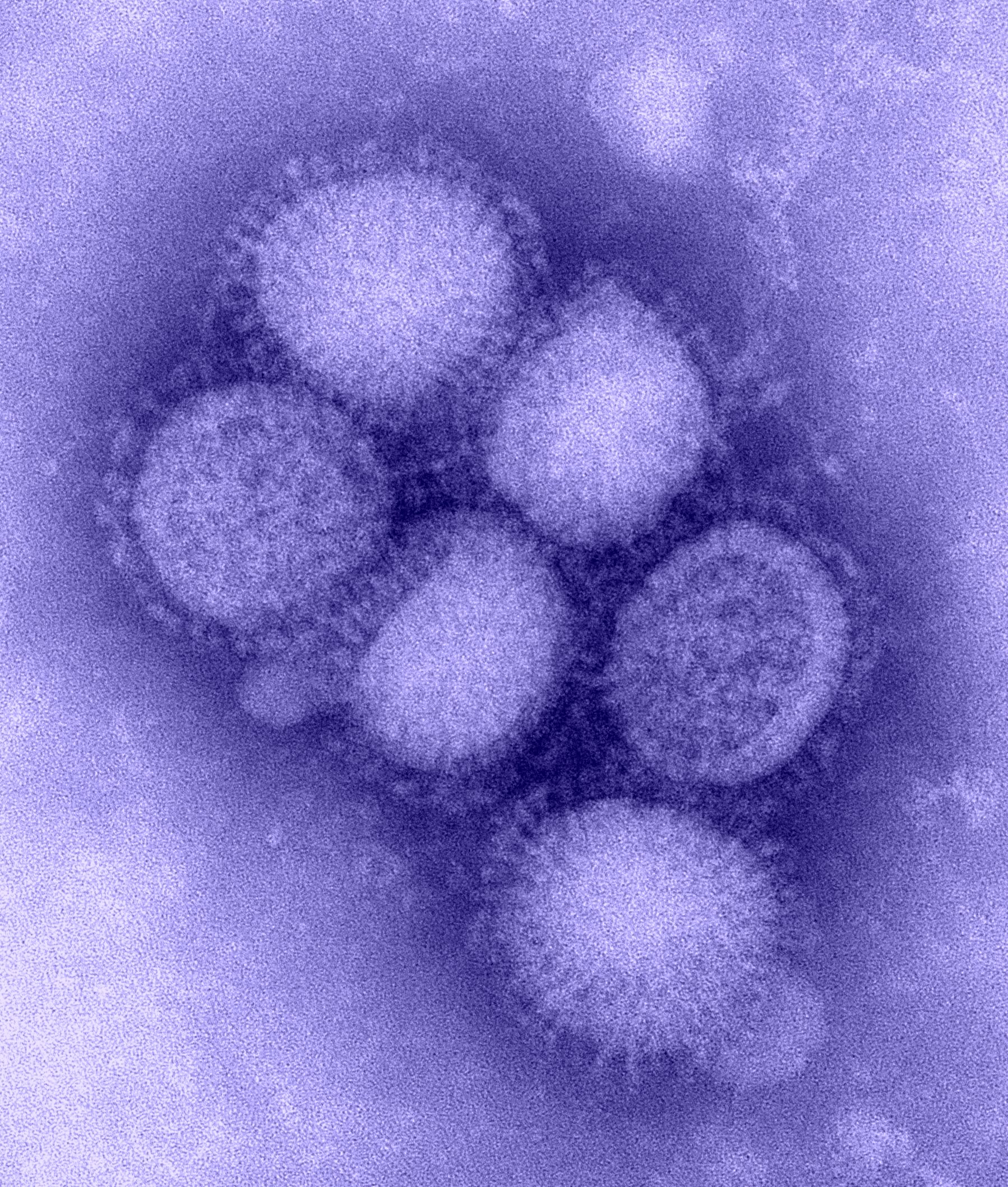
The phrase H1N1 card test generally refers to a rapid assay designed or validated to detect H1N1 antigens or antibodies. Its specimen type, target and intended population depend on the specific product.
Because the AffiVET product detects H5 antigen, it must not be presented as a human or swine H1N1 test.
H5 rapid test vs H1N1 card test
| Characteristic | H5 bird flu rapid test | H1N1 card test |
|---|---|---|
| Primary target | Influenza A H5 antigen | Influenza A H1N1 target |
| Haemagglutinin subtype | H5 | H1 |
| Main testing context | Birds and poultry | Human or swine testing, depending on the assay |
| Typical specimens | Avian cloacal or tracheal samples | Respiratory specimens defined by the relevant kit |
| Detects H5 antigen | Yes | No |
| Detects H1N1 | No | Only when specifically validated for H1N1 |
| Determines pathogenicity | No | No |
| Replaces RT-PCR | No | No |
How does the AffiVET H5 rapid test work?
The test uses lateral-flow immunochromatography. After the prepared sample is added to the test card, it migrates across a membrane through capillary action.
When sufficient H5 antigen is present, it binds to labelled antibodies and forms complexes that are captured at the test-line region. A separate control line indicates that sample migration occurred correctly.
Collect the sample
Obtain a suitable cloacal, tracheal or other specimen specified in the instructions.
Extract the antigen
Place the sample into the supplied buffer and mix it according to the test procedure.
Apply the prepared sample
Add the specified number of drops to the sample well of the test card.
Allow migration
Leave the card on a level surface while the sample moves across the membrane.
Interpret the result
Read the test and control lines within the time interval defined in the instructions.
Product overview
| Product characteristic | Specification |
|---|---|
| Product name | AffiVET® Bird Flu H5 Antigen Rapid Test Card |
| Reference | AFG-VGS-10 |
| Target | Avian influenza virus H5 antigen |
| Technology | Rapid lateral-flow immunochromatography |
| Result format | Visual test and control lines |
| Kit size | 40 tests |
| Reading time | Approximately 10–15 minutes |
| Intended context | Veterinary avian screening |
How to interpret the rapid test ?
Negative result
Only the control line appears. H5 antigen was not detected above the analytical capability of the test.
A negative result does not completely exclude infection when viral antigen concentration is low or specimen collection was inadequate.
Positive result
Both the test line and control line appear. This indicates that H5 antigen may be present in the tested sample.
Positive results should be managed according to applicable veterinary and confirmatory testing procedures.
Invalid result
The control line does not appear, regardless of whether a test line is visible.
The specimen should be tested again using a new card.
H5 antigen rapid testing vs RT-PCR
| Factor | H5 antigen rapid test | Real-time RT-PCR |
|---|---|---|
| Target | Viral antigen | Viral RNA |
| Time to result | Approximately 10–15 minutes | Usually several hours |
| Equipment | Minimal equipment | Molecular laboratory equipment |
| Result type | Visual lines | Amplification data |
| Field application | Suitable for preliminary screening | Generally laboratory based |
| Subtype characterisation | No | Possible with additional assays |
| Primary role | Rapid preliminary result | Confirmation and molecular analysis |
Important test limitations
The test does not detect H1N1
The assay is intended for avian influenza H5 antigen. It must not be used to diagnose human or swine H1N1 influenza.
The test does not identify the N subtype
Detection of H5 antigen does not establish whether the virus is H5N1, H5N6, H5N8 or another H5 combination.
The test does not determine pathogenicity
A positive H5 result cannot independently distinguish highly pathogenic avian influenza from low pathogenicity avian influenza.
A negative result does not exclude infection
Low viral concentration, early infection, poor specimen collection, sample degradation or antigenic differences may influence the result.
Positive results may require confirmation
Molecular confirmation may be necessary for formal reporting, outbreak management and complete viral characterisation.
Potential veterinary applications
The AffiVET H5 rapid test may support preliminary avian influenza screening in:
- Poultry farms and breeding facilities
- Veterinary clinics
- Bird markets
- Quarantine stations
- Wildlife-surveillance programmes
- Veterinary research laboratories
- Flock-health monitoring programmes
- Suspected outbreak investigations
Suitability for official disease-control or regulatory programmes should be determined by the relevant veterinary authority.
Frequently asked questions
Is the AffiVET H5 test an H1N1 card test?
No. The AffiVET test detects avian influenza H5 antigen. It is not designed to detect human or swine H1N1 influenza.
What is the difference between H1N1 and H5N1?
H1N1 contains haemagglutinin subtype H1 and neuraminidase subtype N1. H5N1 contains haemagglutinin subtype H5 and neuraminidase subtype N1.
Can the rapid card detect H5N1?
The card is designed to detect H5 antigen and may therefore react with an H5N1 virus when the target antigen is present at a detectable level. Molecular testing is required to confirm the full H5N1 subtype.
Does a positive H5 test confirm highly pathogenic bird flu?
No. Detection of H5 antigen does not establish pathogenicity. Additional molecular or biological characterisation is required.
How quickly is the result available?
The AffiVET product is designed to provide a visual result within approximately 10–15 minutes, according to the product instructions.
Should a positive rapid test be confirmed?
Positive or epidemiologically suspicious results may require confirmation using real-time RT-PCR and testing by an authorised veterinary laboratory.
Conclusion
The AffiVET® Bird Flu H5 Antigen Rapid Test Card provides a practical immunochromatographic method for preliminary detection of avian influenza H5 antigen in suitable bird samples.
Its rapid visual format can support immediate veterinary screening, but it must not be confused with an H1N1 card test. H5 and H1N1 are different influenza A subtypes with different antigenic targets and epidemiological contexts.
Rapid-test results should be interpreted together with clinical observations, flock history, epidemiological information and, where necessary, confirmatory molecular testing.
Discover the AffiVET H5 Rapid Test