

HEK293 Cell Line: A Guide to Transfection Conditions, Applications, and Culture Setup
HEK293 Cell Line: A Guide to Transfection Conditions, Applications, and Culture Setup
The HEK293 cell line (Human Embryonic Kidney 293) is one of the most widely used mammalian cell lines in life science research and biotechnology. Its high transfectability, fast growth, and adaptability make it a top choice for both academic and industry labs.
=> Reference : Pubmed
Our Guide Selection Form :
1. HEK293 Cell Line: Type, Growth Characteristics, and Confluency
Common HEK293 Types:
- HEK293 - The original adherent line. Read more
- HEK293T - Expresses SV40 large T antigen for high plasmid replication. Read more
- HEK293FT - A fast-growing version of 293T.
- HEK293F / HEK293E - Adapted for suspension culture, used in protein expression.

Growth Type:
- Most HEK293 variants grow as adherent monolayers under standard conditions.
- Suspension-adapted types (HEK293F) are used in shaker flasks or bioreactors.
Confluency at Transfection:
- For optimal transfection, seed cells to reach 70–90% confluency at the time of transfection.
- Avoid overconfluence (>100%) as it reduces efficiency and cell health.
2. Nucleic Acid Types Used in HEK293 Transfection
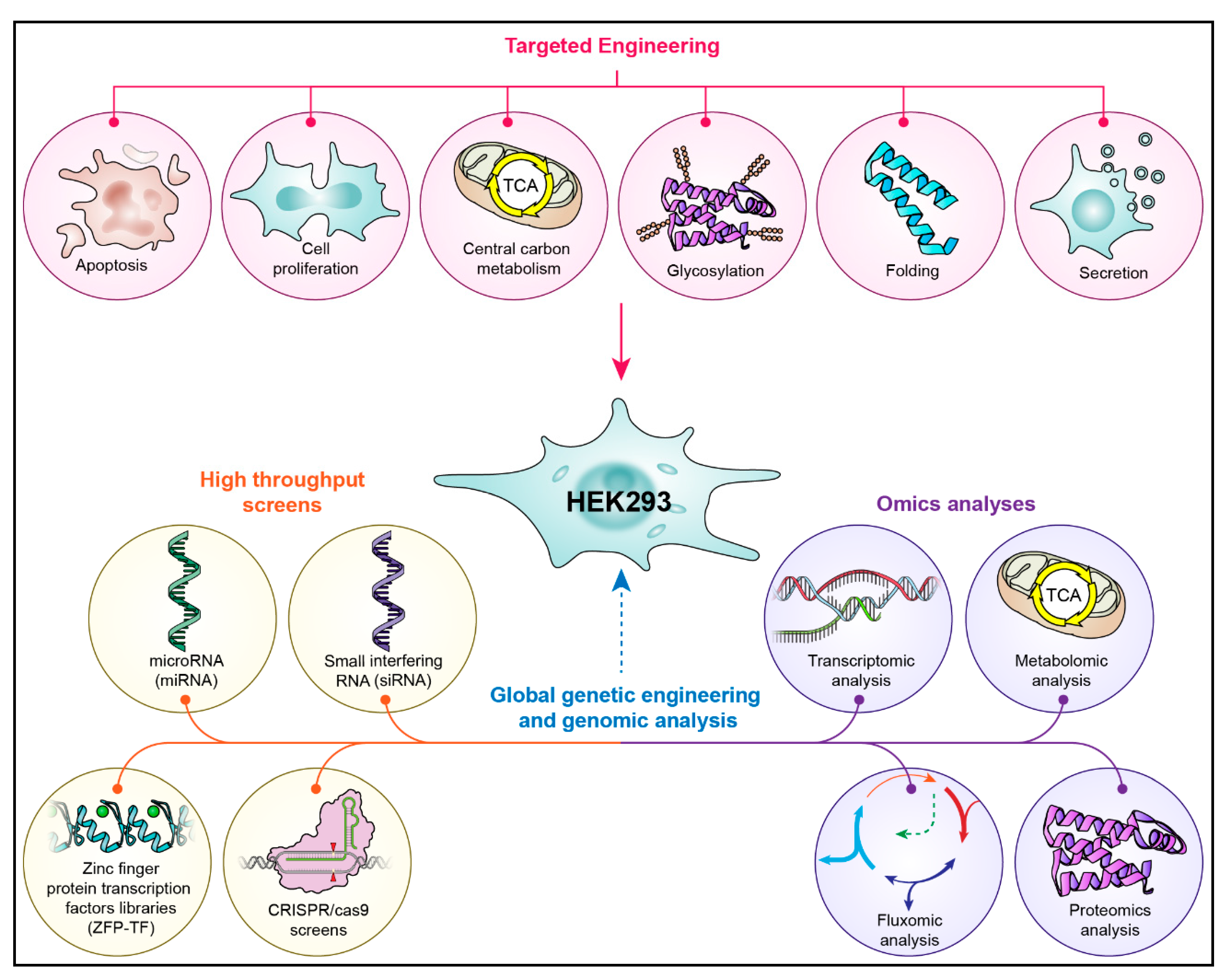
HEK293 cells are versatile and can be transfected with various types of nucleic acids:
- Plasmid DNA - For gene expression, protein production, or reporter assays.
- siRNA/shRNA - For gene knockdown studies.
- mRNA - For transient expression without genomic integration.
- CRISPR/Cas9 plasmids or RNPs - For gene editing.
- miRNA mimics/inhibitors - For studying post-transcriptional regulation.
3. Common Applications of HEK293 Transfection
Due to their ease of manipulation, HEK293 cells are widely used in:
-
Protein expression : Produce recombinant proteins quickly and efficiently.
-
Gene knockdown : Use siRNA or shRNA to silence target genes.
-
Genome editing : Deliver CRISPR-Cas9 systems for gene modification.
-
Reporter assays : Test promoter activity using luciferase or fluorescent proteins.
4. Culture Format for Transfection
| Culture Format | Use Case | Notes |
| 6-well / 12-well plates | Optimization and small-scale studies | Easy to control conditions and test multiple ratios |
| T25 / T75 flasks | Medium-scale expression | Good for producing protein or viral particles |
| 96-well plates | High-throughput screening | Requires miniaturized transfection protocols |
5. HEK293 Stable Transfection Protocol
Stable transfection in HEK293 cells is commonly used for long-term recombinant protein expression, viral vector production, CRISPR workflows, and functional genomics studies.
A. Prepare HEK293 Cells
- Seed HEK293 cells 24 hours before transfection.
- Use healthy cells at approximately 70-90% confluency.
- Maintain cells at 37°C with 5% CO₂.

B. Prepare DNA : Transfection Complex
- Use high-quality plasmid DNA containing the gene of interest.
- Include a selectable marker such as neomycin, puromycin, or hygromycin.
- Mix plasmid DNA with the appropriate transfection reagent according to supplier instructions.

C. Transfect HEK293 Cells
- Add the DNA-transfection reagent complex dropwise to the cells.
- Incubate for 24-48 hours.
- Monitor cell morphology, viability, and reporter expression if applicable.

D. Start Antibiotic Selection
Begin selection 24-72 hours after transfection using the appropriate antibiotic. A kill curve is recommended before starting stable selection.
| Antibiotic | Typical HEK293 Selection Range |
|---|---|
| G418 / Geneticin | 400-1000 µg/mL |
| Puromycin | 0.5-5 µg/mL |
| Hygromycin B | 50-200 µg/mL |

F. Isolate Stable Clones
- Continue selection until resistant colonies appear.
- Isolate clones by limiting dilution, ring cloning, or single-cell sorting.
- Expand selected clones gradually into larger culture vessels.

G. Validate Stable Expression
- Confirm gene expression by qPCR, Western blot, ELISA, flow cytometry, or immunofluorescence.
- Evaluate expression stability over multiple passages.
- Select clones with strong, reproducible, and stable expression.

6. HEK293 Transfection FAQ
What confluency is best for HEK293 transfection?
HEK293 cells are usually transfected when they reach approximately 70–90% confluency. This range helps maintain good cell health while allowing efficient uptake of plasmid DNA, siRNA, mRNA, or CRISPR-related materials. Cells that are too sparse may show weak expression, while overconfluent cells may transfect poorly.
Can HEK293 cells be used for protein expression?
=>Yes. HEK293 cells are widely used for transient recombinant protein expression, especially when mammalian post-translational modifications are required. Variants such as HEK293T, HEK293F, and HEK293E are often selected depending on whether the workflow is adherent or suspension-based.
What is the difference between HEK293 and HEK293T cells?
=>HEK293 is the original adherent human embryonic kidney-derived cell line, while HEK293T expresses the SV40 large T antigen, which supports high plasmid replication when compatible vectors are used. For this reason, HEK293T is commonly used in transient transfection, viral vector production, and high-expression workflows.
Which culture format should I use for HEK293 transfection?
=>The best format depends on the application. 6-well and 12-well plates are useful for optimization, T25 and T75 flasks are suitable for medium-scale expression, and 96-well plates are commonly used for screening assays. Suspension-adapted HEK293 cells may be used in shaker flasks or bioreactor systems.
Can HEK293 cells be used for CRISPR gene editing?
=>Yes. HEK293 cells can be used for CRISPR/Cas9 genome editing by delivering plasmids, mRNA, or ribonucleoprotein complexes. Because HEK293 cells are highly transfectable, they are often used in gene editing optimization, knockout studies, and validation assays.
Are HEK293 cells suitable for siRNA or shRNA knockdown?
=> Yes. HEK293 cells are commonly used for gene knockdown studies using siRNA or shRNA. Their high transfection efficiency makes them suitable for studying gene function, signaling pathways, reporter assays, and post-transcriptional regulation.